
Hot News
Friday briefing Counting the human environmental and political cost of Hurricane Milton
Oct
Friday briefing Counting the human environmental and political cost of Hurricane Milton
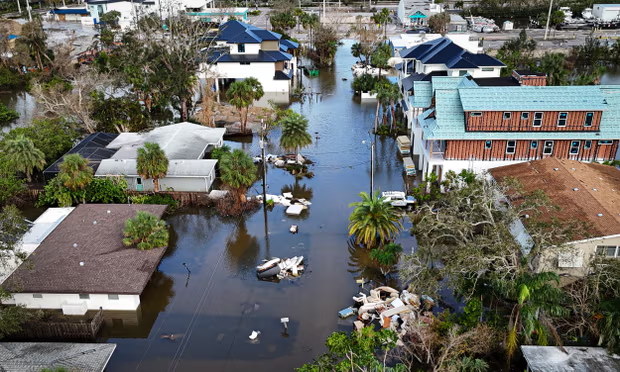
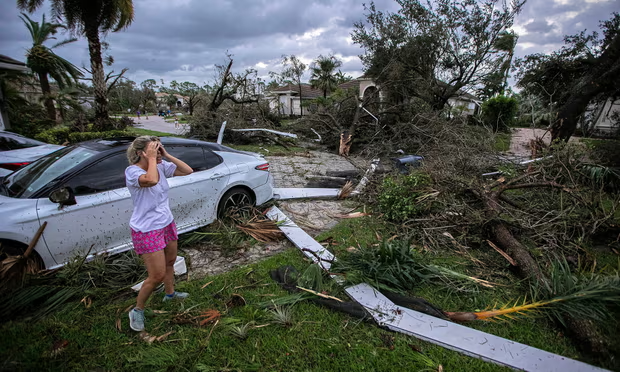
Hurricane Milton ripped through Florida on Wednesday night and yesterday morning, causing at least four deaths and leaving chaos in its wake. As America woke up, three million households were without power, and harrowing footage continued to emerge throughout the day of wreckage-strewn highways and flood water sloshing through homes and shops.
The second hurricane to make a direct hit on the sunshine state in 12 days, Milton is yet more evidence of the devastating impact of our global climate crisis. Yet in the highly partisan political atmosphere of the US, the storm’s arrival has been marked by false claims and crazy conspiracy theories.
For today’s newsletter, I spoke to Oliver Milman, an environment reporter for Guardian US, to assess the human damage wrought by Hurricane Milton, and its political impact.
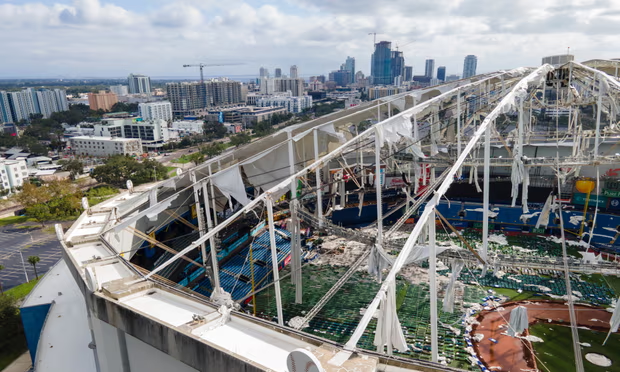
Mass evacuations from heavily populated areas in Hurricane Milton’s path helped to limit the death toll, with 80,000 people in shelters overnight. But homes were destroyed, construction cranes collapsed and high winds ripped the roof off Tropicana Field, home to baseball’s Tampa Bay Rays. At a news conference, the Florida governor, Ron DeSantis, said the storm had thankfully weakened by the time it made landfall, avoiding the “worst case scenario” but had still caused “much destruction and damage”.
DeSantis is himself a climate sceptic, whom campaigners blame for failing to prepare the state adequately for volatile weather events. But Oliver Milman suggests the increased frequency and seriousness of hurricanes may be changing some people’s minds.
“I’ve been speaking to climate scientists who are increasingly hopeful that people are joining the dots on this,” he says. “The ramifications of climate change are incredibly stark when something like this happens.”
A World Weather Attribution group study published this week suggested the warm sea temperatures that fed last month’s deadly Hurricane Helene had been made 200 to 500 times more likely by human-caused global heating. “The heat in the Gulf of Mexico is essentially spawning these huge hurricanes: one climate scientist told me it’s like a powder keg just waiting for a spark,” Oliver says. “The warmth in the atmosphere fuels the storms, makes them more powerful, provides them with far more moisture.” In the case of Hurricane Helene, in North Carolina exceptional levels of rainfall fell many miles from the coast, causing widespread flooding.
A greater risk
Hurricanes are far from unknown in Florida, with some longtime residents regarding them as a tradeoff for the sunshine their state is otherwise blessed with. But a rapidly increasing population over the past decade has put more people in the path of these potentially deadly storms, just as global heating is making them more frequent and more severe.
At the same time, Oliver says climate-sceptic officials in this and other Republican states have been reluctant to tighten building regulations to insist that new homes are future-proofed. “It’s a huge confluence of different things: you see failures all over the place. It means more people at risk; you’ve seen lots of development in areas that are vulnerable,” he says.
The strains have begun showing in the economy, including in the insurance market, with some providers withdrawing from hurricane-prone areas – as well as, for example, from parts of California, where wildfires have become increasingly prevalent. “They’re just refusing cover. So that is potentially existential for the housing market.”
The dangers of conspiracy theories
Rather than confront the severity of the human and economic costs of global heating, however, net zero sceptic Donald Trump and his supporters have been promulgating a series of false claims about the government’s response.
Trump has repeatedly suggested the president, Joe Biden, has been slow to react to Hurricane Helene – despite Republican state governors saying they had received all the help they needed.
More perniciously, the former president has falsely claimed money earmarked for Fema (the Federal Emergency Management Agency) has been “stolen” by his rival for the presidency, Kamala Harris, to spend on housing illegal immigrants.
On the (even) more conspiracy-minded fringes of the Maga movement, the claims are even wilder. In the wake of Hurricane Helene, Georgia congresswoman Marjorie Taylor Greene suggested the government could somehow “control the weather”.
Oliver says she has been generally ridiculed – but some of the misinformation from Trump and his allies may be hitting home. The mayor of Asheville, North Carolina, which was hit hard by Helene, told him some victims were being discouraged from asking for help because of false information circulating online. Some wrongly believed they would be forced to pay back the $750 emergency grant given to affected homeowners, for example.
The climate crisis agenda
While Biden and Harris have been quick to push back on false claims about the administration’s hurricane response, Oliver says the climate crisis has barely featured in the presidential campaign. Even as two hurricanes have ripped through Florida, he says, “Harris hasn’t really leaned in on climate change”.
Arguably one of Biden’s greatest achievements was passing the Inflation Reduction Act, which included billions of dollars in taxpayer support for green technologies. Yet Oliver points out that it has barely been mentioned. In the television debate, confronting Trump, whose climate policy amounts to “drill baby drill”, Harris boasted about how new leases have recently been opened up for oil extraction, and even fracking.
“It’s the whole reassurance thing that Harris is trying. She wants not to scare moderate Republicans that she’ll stop fossil fuels overnight, or force them to put a windmill in their back garden,” he says.
As the emergency services in Florida work to clear away the devastation left by Hurricane Milton, then, there is little sign as yet that this US storm season will sharpen political debate about the climate crisis.
