
Jan
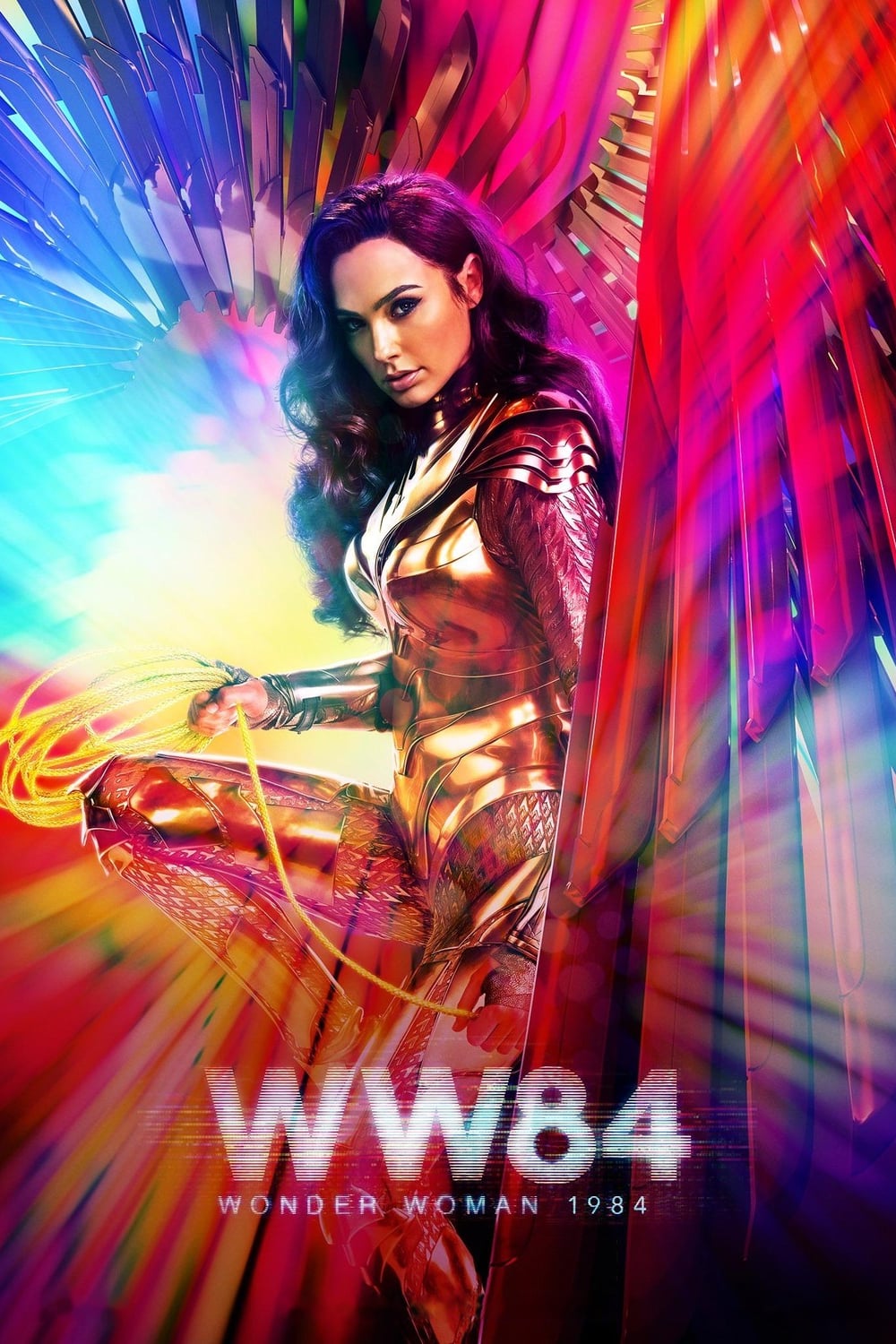
Wonder Woman 1984
We live in an age when superhero sequels tend to be more exciting than their predecessors, and the reason is because of their limitless possibility. As exciting as it can be to see a legendary character grace the big screen in their own solo adventure for the first time, those films carry a particular responsibility for audiences that know nothing about them – namely the need to establish the origins of the character and the details of the world in which they live. They are the movies that tend to be more strict adaptations of the source material, and while there are always opportunities for creative additions, generally speaking they cover ground with which established fans are already familiar.
All of that goes away when it comes to telling follow-up stories. Yes, some sequels opt to take specific inspiration from notable arcs in the comics, but filmmakers get to pick and choose those stories from hundreds if not thousands of options from multiple decades, and usually the books are just used as a starting point rather than as material to directly adapt. With movie-goers having gained an understanding of what the central protagonist is all about, creatives can really dig in to what is meaningful about their existence on a macro level, and pair them with a narrative that best explores those qualities.
The best examples of this over the last 20 years are Sam Raimi’s Spider-Man 2, Christopher Nolan’s The Dark Knight, and Joe and Anthony Russo’s Captain America: The Winter Soldier, and now Patty Jenkins’ Wonder Woman 1984 has arrived to join their ranks. As incredible as it was to see Gal Gadot’s Princess Diana make her way from the island of Themyscira to Man’s World three years ago, establishing herself as a hero through the hell that was World War I, the sequel has a stronger, more original story that beautifully gets at the heart of what’s important about the character, and unfolds a pair of impressive villain arcs that provide massive stakes, smart, relevant themes, and surprising pathos.
Jumping ahead about half a century from the end of the main story in the origin film, Wonder Woman 1984 picks up in its titular year, and finds its eponymous heroine living a quiet life as a museum curator at the Smithsonian in Washington D.C. – her days only occasionally broken up by episodes of clandestine crime fighting and general hero work, including saving people accidentally falling off bridges, and stopping jewelry store robberies at the local mall. Mostly, though, she is just lonely, still pining for her one true love Steve Trevor (Chris Pine) decades after his spectacular sacrifice at the end of the Great War.
What causes everything to change is the arrival of a mysterious rock – brought into the Smithsonian by the FBI following the aforementioned mall robbery. It catches Diana’s eye while it is being examined by a shy, nerdy colleague named Barbara Ann Minerva (Kristen Wiig) – who happens to idolize the protagonist even without knowing anything about her double life – but it’s dismissed by Barbara as a cheap trinket that isn’t worth anything.
Barbara is mistaken, however, and one person who knows the stone’s true nature is Max Lord (Pedro Pascal), the CEO of an oil company called Black Gold Collective. On the brink of bankruptcy and being outed as a fraud, Max knows that the cheap-looking rock has the capacity to turn everything around for him. At the same time, his desire for unlimited power achieved at any cost blinds him to the terrible consequences that he unleashes in his pursuit.
Armed with themes about truth and honor, Wonder Woman 1984 has something to say, and says it well.
Patty Jenkins wastes no time throwing audiences into the action, opening Wonder Woman 1984 with a flashback sequence that features young Diana (Lilly Aspell) competing in a thrilling, beautifully shot Themyscira-style Olympic games with a group of adult Amazons, but it’s not just a small taste of all the blockbuster set pieces that the film has to offer. It’s a character building moment that teaches the ambitious kid the lesson of how shortcuts mitigate true accomplishment and lays an awesome foundation for the central message of the story it precedes.
With this paired with the core Wonder Woman principal of truth, famously represented in the golden lasso she wears on her hip, the film forges a narrative that is both exciting and meaningful, and plays swiftly over the course of two-and-a-half hours. The deftly utilized theme actively touches every part of the movie, including not only the motivations for the antagonist plots, but also for Diana’s journey. While dealing with threats that jeopardize the entire world, she too has to make a choice between the easy path and the challenging path when Steve Trevor magically reappears in her life. The morals aren’t precisely what you would call subtly laid, but their implementation is strong enough to feel meaningful.
Cheetah and Max Lord are both given excellent treatments, with b
